Hackney traders permits for commercial rubbish collection
Posted on 30/10/2026
If you run a market stall, cafe, takeaway, pop-up shop, or small business in Hackney, waste can get messy quickly. Boxes pile up. Food packaging starts to gather. And before long, you are dealing with far more rubbish than a normal domestic collection is meant to handle. That is where Hackney traders permits for commercial rubbish collection come in. They help local businesses manage waste properly, stay compliant, and avoid the awkward, costly scramble of dealing with rubbish the wrong way.
This guide breaks the subject down in plain English. We will look at what these permits are, why they matter, how the process usually works, who needs one, and what to watch out for. You will also get a practical checklist, comparison table, and a real-world example so you can make sense of it without wading through jargon. Because let's face it, waste rules are rarely anyone's favourite bit of business admin.
Why Hackney traders permits for commercial rubbish collection Matters
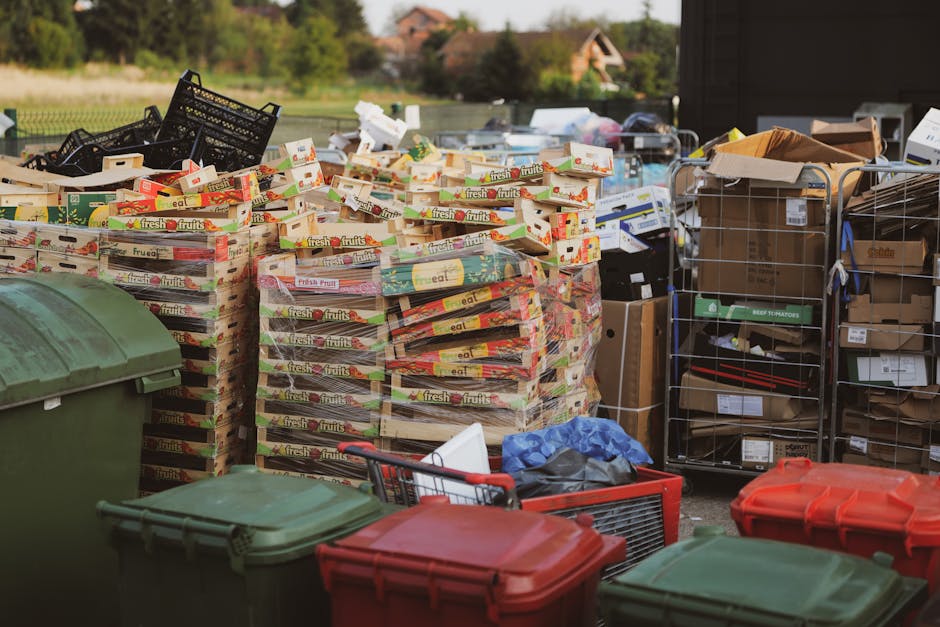
Commercial waste is not the same as household waste. That sounds obvious, but in day-to-day trading it is easy to blur the line. A shop might receive cardboard by the crate. A cafe might go through dozens of food containers each lunch rush. A salon may have product packaging, paper, and the odd bulky item. Once waste is produced by a business, it normally needs to be managed as business or commercial waste, not just left out with domestic bins and hoped for the best.
In Hackney, that matters for a few practical reasons. First, local streets are busy and space is tight, so waste left in the wrong place can create immediate problems: mess, blocked pavements, complaints from neighbours, and extra attention from enforcement teams. Second, traders usually need a collection arrangement that matches their waste volume and collection times. A permit or approved arrangement helps clarify what can be collected, when, and by whom.
There is also the simple business reality. If waste starts building up at the back of your premises, it affects staff, customers, and sometimes your reputation. Nobody wants to walk past overflowing sacks before stepping into a business. Truth be told, the smell alone can put people off. A proper collection setup keeps things calmer and cleaner.
For many traders, the biggest benefit is certainty. You know where the waste is going, who is responsible for it, and what the collection schedule looks like. That removes a lot of last-minute stress, especially during busy trading periods, weekend events, or seasonal peaks when packaging and general rubbish seem to multiply overnight.
How Hackney traders permits for commercial rubbish collection Works
The exact process can vary depending on the type of business, the waste produced, and the collection provider or local arrangements involved. But the basic idea is straightforward: a trader arranges lawful commercial waste collection, and the necessary permit or permission is used to make sure the collection is allowed and properly managed.
In practice, this often involves a few moving parts. You may need to identify what waste you produce, decide whether it is general rubbish, recyclable material, food waste, bulky waste, or a mix of streams, and then choose a collection method that suits your premises. For some traders, that means a regular scheduled service. For others, it means occasional uplift when storage space is tight or after stock changes, fit-outs, or events.
A permit can also affect where bins or sacks are placed, how collections happen, and whether loading or access arrangements are acceptable in your street or yard. In Hackney, where road space can be cramped and access can be awkward, that detail matters more than people expect. One wrong assumption, and suddenly a collection becomes a puzzle no one asked for.
You will often find that the practical side comes down to three questions:
- What waste do you produce, and how much of it?
- How often does it need collecting?
- Where can it be stored and loaded safely and legally?
Answer those properly and the permit or collection arrangement tends to make more sense. Skip them, and you risk paying for a service that does not fit your operation. That is where people get frustrated, and rightly so.
Key Benefits and Practical Advantages
The main benefit is simple: better control. But the real advantages go a bit deeper than that.
Cleaner premises. Waste builds up quickly in small commercial spaces, especially in busy parts of Hackney where storage is limited. A reliable permit-backed collection helps keep front-of-house and back-of-house areas tidy.
Fewer compliance worries. When your collection setup is clear, you reduce the risk of putting waste out incorrectly or leaving it in a place that causes a problem. That is a relief for any trader, especially if staff turnover is high and waste duties get forgotten in the rush.
Better customer impression. People notice the state of your frontage, your alleyway, and the area around your business. A neat waste system quietly supports your brand, even if customers never think about it directly.
More efficient operations. Regular collections help staff work faster. No one wants to spend ten minutes every shift figuring out where to stash a growing pile of cardboard.
Less risk of penalties or disputes. Incorrect waste handling can lead to complaints, enforcement action, or awkward conversations with landlords and neighbours. A permit and proper collection arrangement can help reduce that risk.
There is also a less obvious advantage: planning. Once you know your waste pattern, you can make smarter choices about packaging, storage, and even supplier deliveries. That is where the savings begin to show up in small, boring, very real ways.
Who This Is For and When It Makes Sense
This topic is relevant to a wide range of local traders, not just the obvious big waste producers. If your business generates commercial rubbish, even in modest amounts, you should think about how it is collected and whether a permit or approved arrangement is needed.
It is especially relevant for:
- Independent shops and convenience stores
- Cafes, restaurants, bakeries, and takeaways
- Market traders and stallholders
- Offices with regular waste output
- Salons, barbers, studios, and treatment rooms
- Hospitality venues and event operators
- Small warehouses or storage-based businesses
- Any business doing a fit-out, clearance, or seasonal refit
It makes sense to look at a permit arrangement when waste starts to outgrow a basic bin setup, or when your collections are creating operational friction. For example, a cafe on a narrow Hackney street may not have room to keep multiple sacks indoors. A trader at a busy weekend market may need collections timed around setup and takedown. An office clearing old furniture during a move may need a one-off commercial waste uplift rather than ordinary disposal.
There is also a judgment call around frequency. If your waste is sporadic and light, a more flexible service may be enough. If your rubbish is steady and predictable, a structured collection arrangement is usually the better fit. In our experience, businesses that think this through early tend to avoid the last-minute "where on earth do we put all this?" moment.
Step-by-Step Guidance
If you are trying to get on top of waste collection without overcomplicating things, follow a simple process. It works better than guessing, and it saves a lot of backtracking later.
- Assess your waste type and volume. Make a quick list: cardboard, food waste, mixed rubbish, plastics, glass, bulky items, or confidential waste. Count how often each appears during a normal week.
- Check your storage space. Can you keep bags or bins safely inside? Is there a yard, rear alley, or loading point? Space constraints matter more than people think, especially in older Hackney buildings.
- Think about access. Can a vehicle stop nearby? Is there room to lift and move waste without blocking pedestrians or neighbours? If access is awkward, mention it upfront.
- Decide on the collection model. Regular scheduled collections suit predictable waste. Ad hoc collections suit occasional clear-outs. Some traders need both.
- Ask what permit or permission is needed. Depending on your setup, there may be local requirements around placing waste out, using the highway, or arranging collections from a particular point. This is where details matter.
- Confirm the collection rules in writing. Make sure you understand what the service accepts, how waste must be bagged or separated, and what happens if the load is contaminated.
- Train your team. Staff should know where waste goes, when it can be placed out, and what must never be mixed together. A five-minute briefing is often enough.
- Review after the first few collections. If bins fill too fast, the schedule may need adjusting. If access is awkward, the loading arrangement may need tweaking.
A lot of businesses skip step seven and regret it. The first collection always looks easy in hindsight, until the second one turns up and the sacks are already stacked in the wrong place. Small stuff, but it adds up.
Expert Tips for Better Results
Here are the practical details that tend to make a real difference.
Separate waste streams where possible. Cardboard and food waste behave very differently. If you mix everything together, you often lose the chance to recycle efficiently and may end up paying more for mixed waste handling.
Keep a waste log. You do not need anything fancy. A notebook, spreadsheet, or shared phone note can help you track collection dates, problem loads, and items that create unusual volume. That tiny bit of admin pays for itself.
Store waste neatly from the start. A tidy back area is easier to manage, easier to clean, and less likely to attract pests. It also makes collections faster, which is good for everyone involved.
Ask about narrow access in advance. Hackney streets can be tight. If your premises are on a side road or have tricky entry points, say so before the collection date. It avoids the van arriving and everyone standing around doing that polite but slightly panicked look.
Plan around busy trading hours. If your staff are rushing during the lunch peak or market set-up, collections should ideally avoid that window. A small timing adjustment can save a lot of disruption.
Use the right containers. Torn sacks, overfilled bins, or loose rubbish all make collection harder. That is not just a tidy-up issue; it is a safety and efficiency issue too.
Review suppliers and packaging. If your waste volume is growing fast, look at what is causing it. Sometimes the real answer is fewer cardboard deliveries, smarter stock control, or switching to bulk formats. Not glamorous, but effective.
Practical takeaway: the best waste collection setup is the one your team can actually follow every day, not the one that looks neat in theory. Simple usually wins.

Common Mistakes to Avoid
Most problems with commercial rubbish collection are not dramatic. They are small, repeated mistakes that slowly create bigger headaches.
- Using domestic bins for business waste. It may feel harmless at first, but it can create compliance problems and poor collection outcomes.
- Underestimating volume. Businesses often guess too low, especially during busy periods, promotions, or stock changes.
- Not separating recyclable material. Mixed waste is often more expensive and less efficient to handle.
- Leaving waste out too early. This can cause obstructions, mess, and complaints from nearby residents or other traders.
- Ignoring access issues. Tight corners, locked gates, and parked vehicles all cause delays. Annoying, yes. Also very common.
- Failing to brief staff. One person knows the rules and everyone else is guessing. That rarely ends well.
- Choosing a collection arrangement that does not match the premises. A service that works for a ground-floor retail unit may be awkward for a basement cafe or upper-floor office.
If you avoid those seven problems, you are already ahead of a lot of businesses. It is not about perfection. It is about making waste handling boring enough that no one has to think about it twice.
Tools, Resources and Recommendations
You do not need a huge system to manage commercial waste well. A few practical tools go a long way.
Simple waste tracker. Use a basic spreadsheet or notebook to record what gets collected, how much, and when. This helps you spot patterns over time.
Labelled bins or sacks. Clear labels reduce confusion, especially when different staff work different shifts.
Collection calendar. Keep the schedule visible in the staff area or on a shared messaging group. Waste collections are easily forgotten during busy weeks.
Site access notes. Write down key details for drivers or loaders: gate codes, rear entry points, stair access, loading restrictions, or where to leave bins safely.
Insurance and safety records. It is sensible to keep copies of relevant documents in one place, particularly if waste handling ties into site safety. You can also review practical guidance on insurance and safety when managing collections alongside other site operations.
Broader waste service planning. If your business needs more than one type of collection, it can help to look at the wider service picture rather than treating every waste problem separately. The services overview and rubbish collection in Hackney pages are useful starting points for understanding what is available.
Recycling awareness. If you are trying to cut waste or make your operation more efficient, it is worth thinking about recycling, reuse, and how packaging is handled from the start. That practical mindset often saves money over time. You can explore more on recycling and sustainability.
Law, Compliance, Standards, or Best Practice
Commercial waste handling is a regulated area, and it should be treated carefully. The exact requirements can depend on the type of business, the waste produced, the collection method, and where waste is stored or placed for collection. Because of that, it is best to work from current local requirements rather than assumptions picked up from a neighbour or another trader three streets away.
A sensible compliance approach usually includes the following:
- Making sure waste is recognised as commercial waste once it comes from your business activity
- Using a lawful collection method suited to the premises and waste type
- Avoiding obstruction, fly-tipping, or unsafe placement of waste in public areas
- Keeping records where needed, especially if waste volumes are significant
- Following the collection provider's handling instructions so loads are not contaminated
Best practice also means thinking about duty of care in a broad sense. In everyday terms, that means you are responsible for ensuring the waste is handled properly after it leaves your premises. You should know who is collecting it, what they are taking, and where it is going. If that sounds like admin, well, it is. But it is useful admin.
One extra point worth making: if your business sits in a busy area with shared access, loading bays, or narrow frontage, keep a close eye on how waste is presented. Even if your waste is technically yours, poor placement can become a nuisance issue very quickly. That is where local knowledge matters. Hackney streets can be lively, and a collection that works on a quiet morning may be a nuisance by lunchtime.
Options, Methods, or Comparison Table
Not every trader needs the same waste setup. Some need a regular permit-backed collection. Others need occasional waste removal. A few need help with larger site clearances after works or stock changes. Here is a simple comparison to help you think it through.
| Option | Best for | Typical strengths | Possible drawbacks |
|---|---|---|---|
| Regular scheduled commercial collection | Shops, cafes, offices, and traders with steady waste output | Predictable, tidy, easier to plan around | May cost more than occasional services if volumes are very low |
| Ad hoc or one-off collection | Seasonal clear-outs, refurbishment waste, occasional bulky items | Flexible, useful for short-term needs | Can be less efficient if used too often |
| Mixed waste plus recycling separation | Businesses producing both general rubbish and recyclable material | Better sorting, often cleaner operations | Needs more staff discipline and clearer bins |
| Site-specific access arrangement | Premises with tight lanes, rear access, or limited frontage | Reduces disruption and makes collections workable | Needs careful planning and clear instructions |
There is no universal best choice. The right answer depends on your waste pattern and your building. A cafe with daily cardboard and food waste has different needs from a studio that only clears waste after deliveries or occasional events. Simple enough, but easy to overlook when you are busy.
Case Study or Real-World Example
Imagine a small independent cafe near a busy Hackney high street. The team starts with a couple of domestic-style bins because, at first, the waste load seems manageable. Then trade picks up. Delivery boxes stack up behind the counter. Food waste grows. Staff begin leaving sacks by the back door because there is nowhere else for them.
At first it feels like a space problem. Then it becomes a timing problem. Then it becomes a smell problem. By the time a busy Friday arrives, the rear area is cluttered and the team is moving rubbish around to make room for fresh stock. Not ideal.
The cafe then reviews its waste pattern and puts a proper commercial collection arrangement in place. It separates cardboard from general waste, agrees a more suitable collection schedule, and gives staff a simple routine for bagging and storing waste. The change is not flashy. Nobody posts about it. But the back area stays clearer, the team wastes less time juggling sacks, and the front of house feels calmer.
That kind of result is typical. The win is not just "more bins". It is less friction. Less mess. Fewer little annoyances piling up. And for a busy trader, that can make a real difference by Thursday afternoon, when everyone is a bit tired and the day has already been noisy enough.
Practical Checklist
Use this quick checklist before setting up or reviewing your commercial rubbish collection:
- Have you identified all the waste streams your business produces?
- Do you know roughly how much waste you create each week?
- Is your storage area safe, tidy, and easy to access?
- Have you checked whether a permit or permission is needed for your collection setup?
- Do staff know what goes in each bin or sack?
- Have you agreed the collection frequency that fits your actual trading pattern?
- Are cardboard, general rubbish, and recyclable items separated where possible?
- Is access clear for the vehicle or loader on collection day?
- Do you keep a record of collections and any issues?
- Have you reviewed whether your current setup is still working after busy periods or seasonal changes?
If you can tick most of those boxes, you are in decent shape. If not, that is fine too. Waste systems are usually improved in small steps, not one dramatic overhaul.
For traders with larger or mixed premises, it can also help to compare waste handling with other property services on the site, especially if you are coordinating clearance, storage, or office changes. For example, businesses often look at office clearance in Hackney when they are reorganising workspaces, or builders waste disposal in Hackney if they are managing fit-out debris alongside everyday rubbish.
Conclusion
Hackney traders permits for commercial rubbish collection are really about making business life easier and more orderly. They help you deal with waste in a way that suits your premises, supports compliance, and avoids the mess and stress that can creep in when rubbish management is improvised.
If you run a local business, the best approach is usually a practical one: know your waste, choose the right collection pattern, keep staff informed, and review the setup before problems build up. It does not need to be complicated. In fact, the simpler the system, the more likely it is to stick.
And if you are still weighing up what kind of collection arrangement makes sense, take a calm look at your day-to-day waste pattern first. That is where the answer usually is. Not in the paperwork, but in the rhythm of the business.
Get a free quote today and see how much you can save.



Copyright © . House Clearance Hackney. All Rights Reserved.